How to import honeycomb paper from India: a step-by-step guide
Import honeycomb paper from India in ten steps: spec, samples, quote, Incoterm, payment, loading, documents, customs and the checks on arrival.
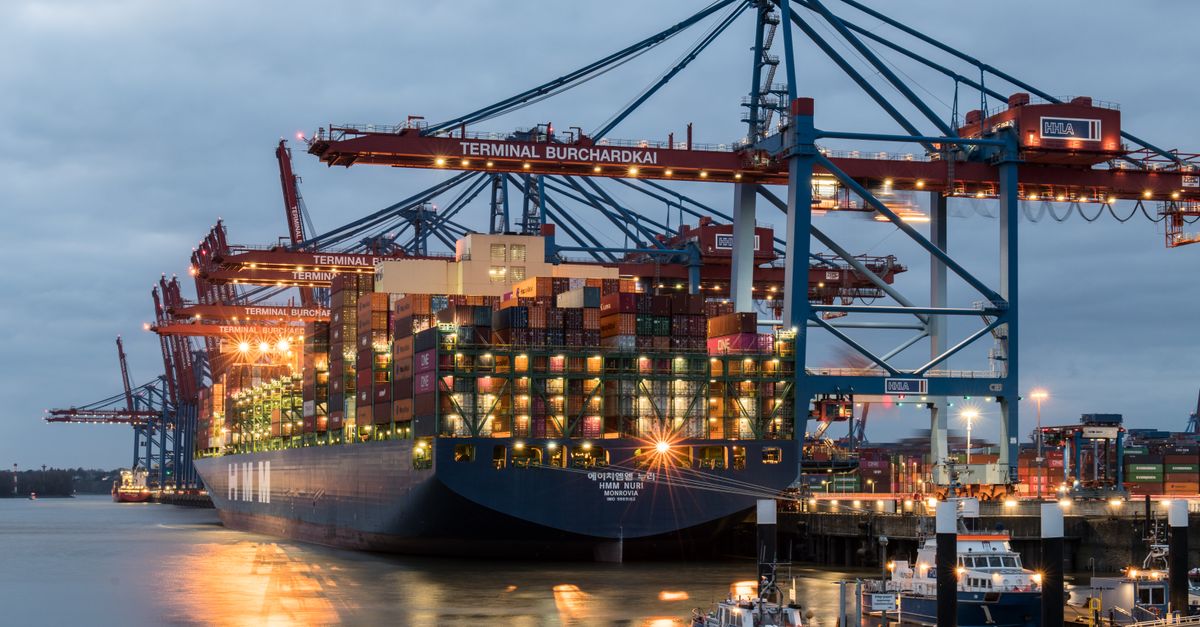
Importing honeycomb paper from India works like importing any bulky paper product. You fix a specification, test samples, agree a quote and an Incoterm, pay, and then your forwarder and customs broker move the container from Mundra to your warehouse.
The steps are simple. The mistakes happen in the gaps between them.
We have exported from Jaipur to 20+ countries, and this is the order I would follow if I were the buyer. Each step below says what you do, what your supplier does, and the paper that proves it was done.
The ten steps at a glance
| Step | Who does it | What you should have at the end |
|---|---|---|
| 1. Write the specification | You | One page: width, flat length, GSM, colour, core, FSC claim, packing |
| 2. Get and test samples | Supplier sends, you test | A labelled reference sample you approved |
| 3. Check duty and documents | You and your customs broker | The commodity code, duty rate and documents your country needs |
| 4. Get the quote | Supplier | Price, Incoterm, currency, validity, loading plan |
| 5. Agree payment terms | Both | Terms written on the proforma invoice |
| 6. Book freight | Supplier or your forwarder, by Incoterm | A booking for the container and vessel |
| 7. Production and lot checks | Supplier | Test results for the lot, if you asked for them |
| 8. Loading | Supplier | Loading photos, container and seal number |
| 9. Documents and customs | Supplier sends, your broker files | Customs clearance at your port |
| 10. Receive and check | You | A signed delivery note, with any damage noted |
Step 1. What should my specification say?
It should say everything a second supplier would need to make the same roll. If two quotes are based on different specs, you cannot compare them.
At minimum, write the flat width in mm, the flat (unexpanded) length in metres, the paper GSM, the colour, the core size, whether you need tissue, the FSC claim if any, and how you want rolls and pallets packed. Our guide to writing a honeycomb paper purchase order explains each line and how to check it.
Write the word FLAT next to the length. This one word saves more arguments than any other.
Step 2. How should I test samples?
Test them on your own products, at your packers' real speed, before you talk price.
Weigh a roll to confirm its flat length, check the GSM with a 10 cm square, pull a few metres through your dispenser and drop-test a few packed boxes. Keep a piece of the approved sample with a date on it. The bulk order should say "to match the approved sample".
I have never regretted a week spent testing samples. I have seen buyers regret skipping it.
Step 3. What duty will I pay, and what documents do I need?
That depends on your country, and your customs broker should confirm it before you place the order. Do this before the quote, not after the container sails.
Honeycomb paper wrap is usually classified under heading 4823 (other paper, cut to size or shape). In 2021, US Customs ruling NY N319560 placed slit kraft honeycomb paper under 4823.90.8680, and in 2022 an Indian advance ruling placed honeycomb paper wrap under HSN 4823 90 13. Your broker makes the final call for your country. Our export page links both rulings.
We have written separate guides for the main markets, because the rules really differ:
- Importing honeycomb paper into the UK
- Importing honeycomb paper into the USA
- Importing honeycomb paper into the EU
- Importing honeycomb paper into Australia and New Zealand
- Importing honeycomb paper into the UAE and Gulf
Step 4. What should a good export quote include?
A price is only half a quote. A useful one also states the Incoterm and named place, the currency, the validity, the packing and a loading plan.
- Incoterm and place, for example "FOB Mundra".
- Currency. We quote mostly in US dollars, and also in pounds sterling or euros.
- Validity. Ours is usually 7 days, because kraft paper and ocean freight both move fast. A longer validity would only mean a cushion in the price.
- Rolls per pallet, pallets per container and total flat metres.
- The FSC claim, if any, and the certificate code that will go on the invoice.
Compare quotes per flat metre at the same GSM, never per roll. A cheap roll is often a short roll.
Step 5. Which payment terms are usual?
Exporters and importers use a few standard methods, and the right one depends on how well you know each other. Common options are an advance payment by bank transfer, a part advance with the balance against shipping documents, documents through the banks, or a letter of credit.
A letter of credit protects both sides, but it costs bank fees and every document must match the credit exactly. A small spelling difference can hold up payment. If you choose one, send the draft to your supplier before your bank issues it.
Whatever you agree, write it on the proforma invoice.
Step 6. Who books the freight?
The Incoterm decides it. Under FOB, you (or your forwarder) book the ship and pay ocean freight, and the supplier delivers the goods on board at Mundra. Under CIF or DAP, the supplier books it.
We quote FOB Mundra as standard. We quote CIF or DAP when freight to your port can be booked at a stable rate. Our guide on choosing between FOB, CIF and DAP explains the trade-offs.
Step 7. What happens during production?
The supplier makes the rolls and checks the lot. Ask now for the test results you want to see. Do not ask after loading.
At our plant, every lot is checked for GSM, roll weight, moisture and cut quality. Our quality page lists every check. If your quality team wants a particular format, agree it with the order.
Step 8. What should I ask for at loading?
Photos, numbers and a packing list. A container is sealed at loading and the next person to open it may be your customs officer.
- Photos of the pallets in the container, and of the closed doors with the seal.
- The container number and seal number.
- A packing list, pallet by pallet.
If your country has rules for wooden pallets, they must meet ISPM 15. Say so in your enquiry so the pallets are right from the start. Our guide on how many honeycomb rolls fit in a container covers loading in detail.
Step 9. Which documents travel with the goods?
Four documents carry most imports of honeycomb paper.
- Commercial invoice. It shows the goods, value, Incoterm and, for FSC lines, the FSC claim with the certificate code.
- Packing list, pallet by pallet.
- Bill of lading, issued by the shipping line.
- Certificate of origin. You need a preferential one to claim lower duty under a trade agreement with India. In India these are applied for online through the Directorate General of Foreign Trade's certificate of origin platform.
Your broker may ask for more. Tell your supplier before loading, because some documents cannot be made after the ship sails.
Step 10. What should I check on arrival?
Check the seal, count the pallets and weigh a few rolls. Do it before the container driver leaves if you can.
Note any damage on the delivery paperwork and photograph it. Then pull a few metres through your dispenser and compare it with the reference sample from step 2. If the bulk matches the sample, you have a supplier. If it does not, you have evidence.
Where buyers go wrong on a first import
The two mistakes I see most are about timing, not paper.
The first is leaving the duty question until the goods are at sea. The second is a first order that is too big. A 20 ft container is a sensible first step, because you want to see how the paper performs in your market before you commit to more. We prefer a 40 ft once you know your monthly use, and in a mixed container we plan at least 4 pallets of each item.
Rules and rates change, and quickly. Please treat everything on this page as a starting point and confirm the current position with your customs broker before each order.
Your next step
If you are planning a first import, send us your specification, rough monthly volume and destination port through the contact page. We will send samples with the spec written on each label, and a quote with a loading plan once you have tested them.
Questions buyers ask
Do I need an import licence to bring honeycomb paper in?
In most countries, no special licence. You do need to be registered as an importer with your customs authority (an EORI number in the UK and EU, for example), and you need a customs broker or forwarder to file the entry. Your broker will tell you what applies in your country.
Should I use a third-party inspection company?
For a first order from a new supplier, it is worth considering. An inspector can count pallets, weigh rolls and check labels before loading. It does not replace your own sample test, because an inspector checks against the spec you give, not against your products.
Which currency should I pay in?
Pay in the currency you can forecast best. We quote mostly in US dollars, and also in pounds sterling or euros. If your sales are in euros, a euro quote removes one exchange risk from your side.
Can I visit the factory before ordering?
You should be able to visit any serious supplier, and I would encourage it before a large programme. A live video walk of the plant is a good first step if travel is not practical. Ask to see the raw paper testing and the finished roll checks, not only the machines.