Shipping artwork and canvases with honeycomb paper, without marking the paint
How to ship a canvas painting or print with honeycomb paper: a smooth barrier on the paint, boards on face and back, corner pockets, and rolled prints.
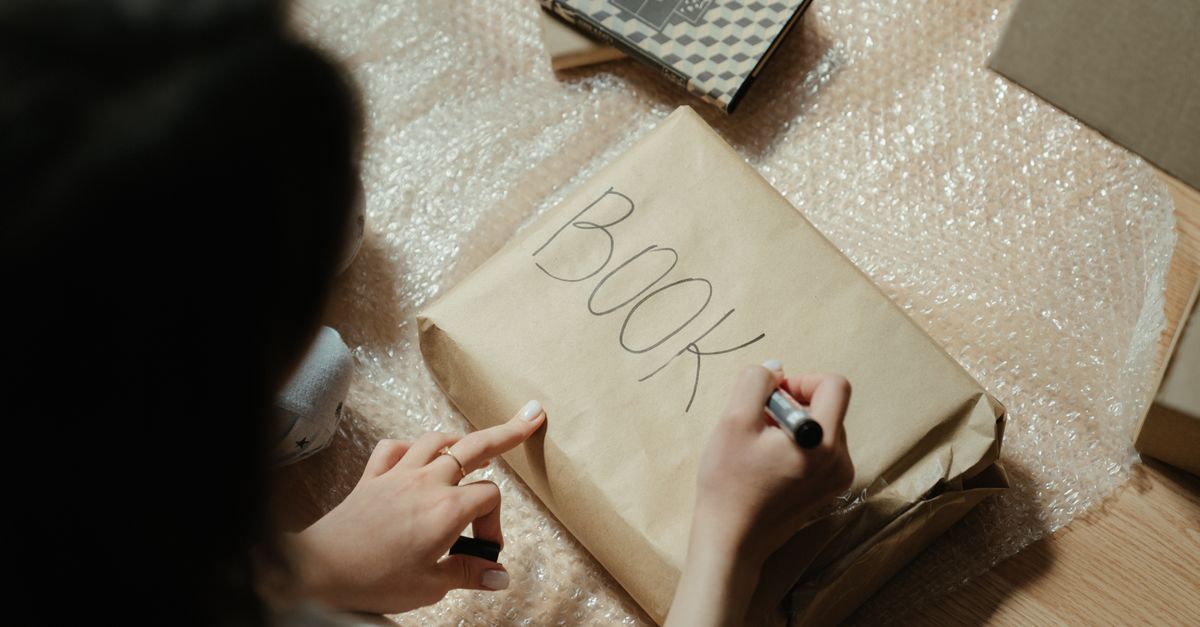
A painting is not a glass bottle. It does not need much cushion against a knock, because a canvas on its stretcher is light and springy. What it needs is a surface that nothing touches, corners that do not dent, and a back that nothing pushes into.
So my rule for artwork is short. Honeycomb paper never touches the paint. Put a smooth, clean barrier over the paint first. Rest a stiff board over the face on the frame or stretcher, not on the paint. Then use honeycomb for the corners, the back, the edges and the outer wrap, and pack the piece in a box that fits.
We make honeycomb paper in Jaipur, and we think it is a very good packing paper.
It is not an art material, and I want to be clear about that before anything else.
Why should honeycomb paper not touch a painting?
Because of texture.
Honeycomb paper is kraft with a pattern of open, raised cells. That pattern is what makes it cushion and grip. On a soft surface, under pressure and warmth, it can press into the paint.
Conservators say the same about padding in general. Atelier Art Conservation, a painting conservation studio in Australia, warns in its guide to wrapping paintings that padding should not have much texture, because it may imprint onto a soft paint surface. The same guide suggests glassine or acid-free paper as the first layer around the painting, with padding outside it.
That is where honeycomb belongs, on the outside. Our guide to tissue interleaf with honeycomb paper explains the smooth first layer in more detail.
The pack, layer by layer
Think of it as three layers, from the paint outwards.
- The barrier. A smooth, clean sheet over the painted face, such as glassine or acid-free tissue, so dust and fibres cannot reach the paint. It should lie flat, without folds pressing into the surface.
- The rigid layer. A board cut to the size of the stretcher or frame, resting on its edges. It takes any push from outside and spreads it. It must not press on the paint.
- The cushion. Honeycomb corner pockets, honeycomb over the back, and an outer wrap of honeycomb around the whole piece.
The box comes last. It should be flat, strong, and only a little larger than the wrapped piece, with honeycomb strips along each edge.
Step by step: a stretched canvas
- Check the stretcher keys, the small wedges in the back corners. Tape them in place with a strip of paper tape, so they cannot fall out and knock the back of the canvas.
- Lay the barrier sheet over the face.
- Place a board over the face, resting on the stretcher edges. If the paint stands proud of the stretcher, add spacers at the edges so the board sits above it.
- Make four corner pockets from folded honeycomb and fit them over the corners, holding board and canvas together.
- Put a board over the back too. The canvas back is soft, and a push from behind can dent the painting from the wrong side.
- Wrap the whole piece in two turns of honeycomb, folding the ends over the edges.
- Box it, with honeycomb strips along every edge so it cannot slide.
The board on the back is the step I think gets missed most easily.
A corner of another parcel pressing into the back of a canvas leaves a bulge on the front.
What goes against each kind of artwork?
| Artwork | Against the surface | Rigid layer | Where honeycomb goes |
|---|---|---|---|
| Stretched canvas, fully dry | Glassine or acid-free tissue | Board on face and back, resting on stretcher | Corners, back, edges, outer wrap |
| Canvas with thick or recent paint | Nothing touching, if possible | Board on spacers above the paint | Corners, edges, outer wrap |
| Framed painting without glass | Glassine or acid-free tissue | Board resting on the frame | Corners of the frame, outer wrap |
| Framed print or painting with glass | The glass itself is the barrier | Board over the glass | See our mirror and frame guide |
| Unframed print or work on paper | Acid-free tissue or a clear sleeve | Two boards, one each side | Edge strips and outer wrap |
| Rolled print in a tube | Acid-free tissue, rolled with the print | The tube | Pads at each end of the tube |
For framed work with glass, the glass changes the job. Our guide on packing mirrors and picture frames covers corners, glass and hanging hardware.
Prints and works on paper
Prints are light and easy to bend.
A crease ruins them, so the main job is to keep them flat.
Lay the print in acid-free tissue or a clear sleeve. Put it between two boards a little larger than the print, and tape the boards together at the edges, not on the print. Then wrap the board sandwich in honeycomb and box it. Honeycomb adds edge protection and stops the sandwich sliding.
For rolled prints in a tube, honeycomb has a smaller job. A folded pad at each end of the tube stops the roll sliding and protects the edges of the paper from the end caps.
Fresh paint
I am not a painter or a conservator, and I will not pretend to know paint better than the artist. What I can say is that soft paint and any padding are a bad mix, and thick paint can stay soft under a dry skin.
If a painting is not fully dry, nothing should touch the surface at all. That means a travel frame or spacers that hold the board above the paint, and no barrier sheet lying on the face. Ask the artist how long their paint needs.
Which paper and width?
Artwork is light, so paper weight matters less than for glass. I would test 70 or 80 GSM for corner pockets and the outer wrap. For large canvases, a 490 or 500 mm roll wraps faster with fewer joins. Keep a narrow roll on the table for corner pockets and tube ends.
We make honeycomb paper in natural kraft, white and black, among other colours. For a gallery that cares how the parcel looks when it is opened, white or black can look cleaner than brown. We can supply either.
Where honeycomb paper is not enough
Be careful in three cases.
- Valuable or museum-grade work. Use a specialist fine art shipper and a proper crate. Paper is one part of that pack at most.
- Long storage. Honeycomb is a packing paper, not an archival one. Do not leave artwork stored in it for months.
- Damp routes. Paper and board soften when wet, and so does the canvas. Keep the parcel dry.
Worked example: an artist's packing kit
Say an artist sells medium stretched canvases online, a few a week. A simple kit to test: acid-free tissue for the face, pre-cut boards in two sizes, a 200 mm roll of honeycomb for corner pockets, a 500 mm roll for the outer wrap, and flat boxes in two sizes. Each canvas gets taped keys, tissue, boards front and back, four corners, two turns and edge strips.
The whole kit fits on one table. The first few parcels will be slow, and then the method becomes routine.
We can supply the honeycomb part of that kit. The tissue, boards and boxes are better bought locally, and we would tell any artist the same.
The widths and colours we make are on our products page. Tell us the sizes you paint in through our contact page, and we will send a narrow and a wide roll so you can try the corner pockets on a canvas of your own.
Questions buyers ask
Can I roll a canvas painting to ship it?
Some can be rolled, many should not be. Thick or old paint can crack when it bends. I would ask the artist or a conservator before rolling anything valuable, and ship it on its stretcher if in doubt.
Can bubble wrap touch a painting?
I would not let any textured padding touch paint, bubble wrap included. Bubbles can leave rings on soft paint just as cells can leave a pattern. Put a smooth layer first, whatever cushion goes on top.
How long should an oil painting dry before it ships?
At the very least until it is fully dry to the touch, and longer for thick paint, which can stay soft under a dry skin. The artist knows the paint and the medium, so ask them. If it is still soft, use a frame or spacers that keep everything off the surface.
Is honeycomb paper acid-free?
Do not assume it. Honeycomb is a packing kraft, not an archival paper. That is one more reason it belongs outside the smooth barrier, never against the artwork.