Honeycomb paper for subscription boxes: one packing standard for changing contents
Pack subscription boxes with honeycomb paper the same way every month: a one-page pack spec, sheets or rolls, the shipping-week rush, and stock per cycle.
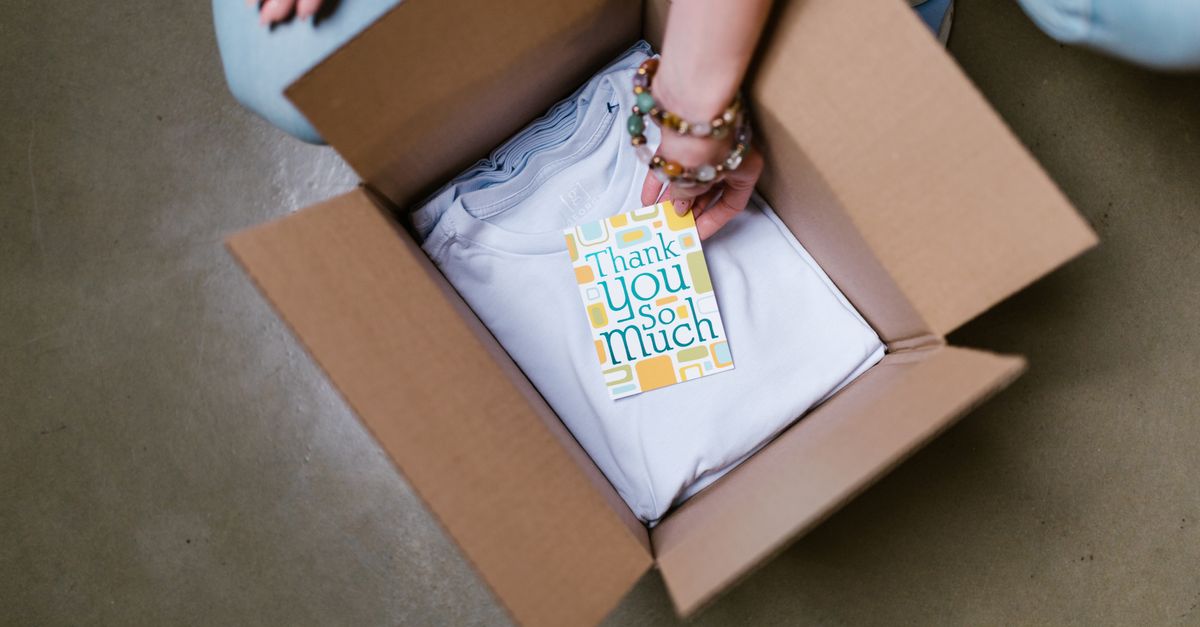
Subscription boxes have a packing problem other sellers do not. The contents change every month, but the customer expects the box to look the same and arrive safe every time. The answer is a fixed standard for the parts that stay the same, and a one-page pack spec for each month's contents, tested before packing starts.
Honeycomb paper suits this well. It wraps items of any shape, so it adapts when the contents change, and its colour and the top layer can stay constant as part of your brand.
We make honeycomb paper in Jaipur, as rolls and as pre-cut sheets, for brands, packers and distributors. I like subscription boxes as a packing challenge, because they punish improvisation. Whatever you improvise in week one is repeated a thousand times by Friday.
What should stay the same every month?
Decide this once, and write it down.
These are the parts your subscribers see every time, so they become your brand.
- The outer box and how it is sealed.
- The wrap colour. Natural kraft, white, black or one brand colour. Our guide to choosing a wrap colour for your brand helps you pick.
- The top layer under the lid: a neat layer of honeycomb, or one printed sheet laid across.
- Where the card or leaflet sits. I would put it on top, so it is the first thing read.
- The order of items, heavy at the bottom, fragile wrapped one by one, light on top.
Everything else may change each month.
I would never let these five drift.
The monthly pack spec
Each month, before the first box is packed, someone writes a one-page pack spec and tests it on three real boxes. It takes an hour.
I promise it saves days of questions on the packing floor.
| Item this month | Fragile? | Wrap | Paper per item | Position in box | Photo |
|---|---|---|---|---|---|
| Glass jar | Yes | 2 turns honeycomb | 1 sheet | Bottom, upright | Photo 1 |
| Ceramic dish | Yes | Inside stuffed, 2 turns | 1 sheet | Bottom, beside jar | Photo 1 |
| Boxed item | No | 1 turn to stop scuffs | Half a sheet | Middle | Photo 2 |
| Fabric item | No | None | None | Top | Photo 3 |
| Card | No | None | None | On top of everything | Photo 3 |
This table is only an example layout. Fill it with your own month's items, and add photos of each layer from above. A packer can follow a photo faster than a paragraph.
Then pack three boxes exactly to the spec, shake each one, and if you can, send one to yourself by your usual courier. Fix the spec before you print it for the floor.
Sheets or rolls?
Both work, and I would choose by how your packing days run.
Subscription packing is often intense: a few days of heavy packing, then quiet weeks. Pre-cut sheets suit that pattern. Our sheets are 390 x 500 mm, about the same as 50 cm pulled from a roll. Temporary packers need no dispenser and no training on brake tension, and every sheet is the same size, so the spec can say "1 sheet" instead of "about 50 cm".
Rolls on a dispenser suit steady daily packing better, and they are usually cheaper per metre. They also let a packer pull a longer piece for an unusual item. Set the dispenser brake once, mark the setting, and the paper opens evenly for every packer.
Some brands keep both: sheets for the shipping-week rush, a roll for new items, oversized items and replacements during the month.
The shipping-week rush
Subscription brands use most of their paper in a few days. That changes how you plan stock.
Here is a worked example with round numbers, for illustration only. Say a brand has 2,000 subscribers and packs all the boxes in three days each month.
- Boxes per packing day: 2,000 / 3, about 667.
- Paper per box from the pack spec: 3 sheets.
- Sheets per cycle: 2,000 x 3 = 6,000 sheets, plus a margin for spoiled sheets and replacements.
- Using rolls instead, at about 50 cm of flat paper per sheet equivalent: 6,000 x 0.5 = 3,000 flat metres, or 12 rolls of 250 m.
Forget the exact number.
What matters is that the whole month's paper must be on the shelf before day one of packing, not delivered on day two. Our guide to honeycomb paper consumption shows how to measure your real usage and set a reorder point.
If the next month's contents are bulkier, the paper per box goes up. Update the forecast from each new pack spec, not from last month's figure.
New items need a trial month
The riskiest moment in a subscription box is a new kind of item. A fragile glass item in a box that has only ever held fabric and paper goods can break in ways nobody planned for.
I would test any new fragile item a month ahead. Wrap it, pack it in a real box with the expected neighbours, and send it by courier. If it arrives damaged, change the wrap, the position or the box before the month it ships.
Keep a simple log of damage reports by item and by month. I find a plain spreadsheet is enough. After a few cycles it tells you which kinds of item need more paper and which need less.
Branding that survives the changes
The constant parts carry the brand. A few practical ideas:
- One wrap colour across all months, as part of your look.
- A printed tissue sheet laid over the top, which hides the changing contents until the customer lifts it. Our post on printed tissue with honeycomb wrap compares the layer orders.
- A card that changes each month, in the same place every time.
If you ship plastic-free, check every new item's own packaging each month too. A product that arrives from its maker in a poly bag can quietly break the promise. Our post on planning a plastic-free unboxing has a simple audit.
Where we fit
We supply honeycomb paper as rolls and as pre-cut 390 x 500 mm sheets, in natural kraft, white, black and four other colours. We check every lot for GSM, roll weight, moisture and cut quality, so the grade in the boxes that ship is the grade you tested in your pack spec. The full range is on our products page.
Send us your box size and a typical month's contents. We will send sample sheets and a roll, so you can pack three test boxes before you decide. You can reach us through the contact page.
Questions buyers ask
Do subscription boxes need honeycomb paper if the box has an insert?
Not always. A fitted insert can hold items well if the contents fit it every month. When the contents change shape from month to month, an insert stops fitting, and honeycomb wrap plus a little fill is more flexible.
Should I change the wrap colour every month?
I would not. Keep one wrap colour as part of your brand and change the card, sticker or top sheet instead. A new colour each month means a new SKU each month, and leftovers you may not use.
How do I stop items moving in a subscription box?
Wrap each fragile item in honeycomb paper, place heavy items at the bottom, and fill every gap until nothing moves when you shake the closed box. If the box is often half-empty, a smaller box will do more than extra paper.
Are pre-cut sheets more expensive than rolls?
Per metre of paper, sheets usually cost more than the same paper on a roll, because of the extra cutting and counting. They can still save money if they cut waste and speed up a short, busy packing window. Compare cost per box.