Honeycomb paper for gift hampers and corporate gift boxes
Pack gift hampers and corporate gift boxes with honeycomb paper so they arrive tidy: wrapping order, heavy items, food, a build card and a shake test.
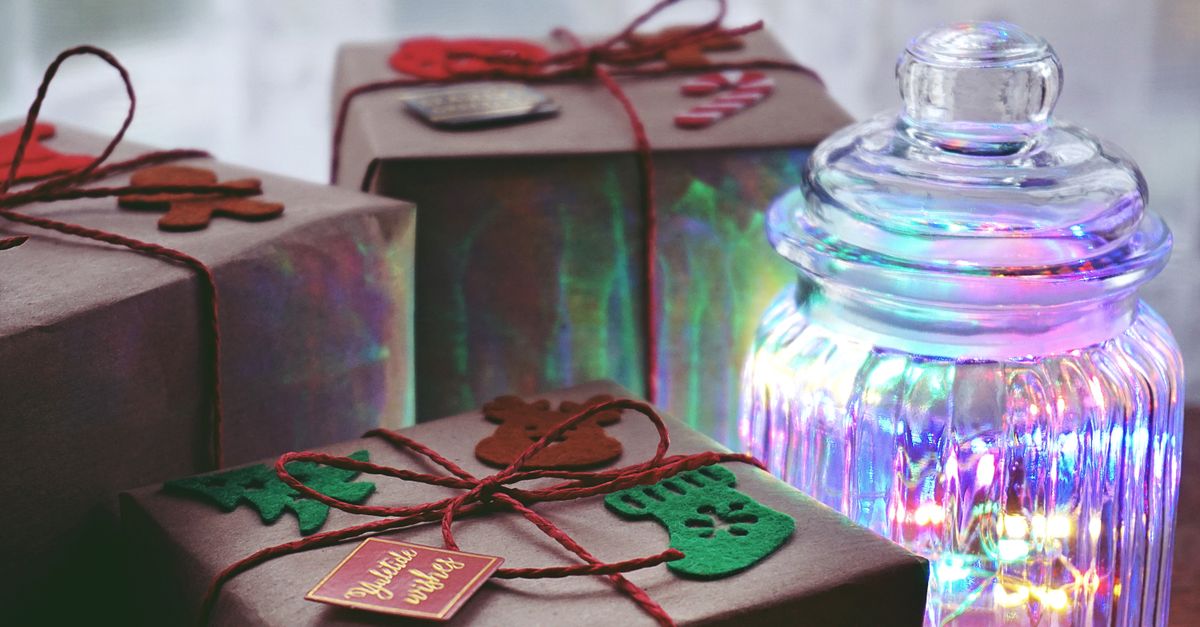
A gift hamper has two jobs. It must arrive without breakage, and it must still look arranged when the lid comes off. Honeycomb paper helps with both. Wrap each glass or ceramic item on its own, pack heavy items at the bottom, fill every gap, and use a neat layer of honeycomb as the visible bed under the lid.
For corporate gift boxes made in hundreds, the packing method matters as much as the paper. A photo build card, pre-cut sheets and one person per step keep every box the same.
We make honeycomb paper in Jaipur, in seven colours, as rolls and as pre-cut sheets. A hamper photographed on a table and the same hamper after two days in a courier van can look like two different products. This post is about closing that gap.
Why do hampers arrive looking messy?
Mostly because they are packed for the photograph, and the journey comes second.
A hamper is a mixed load. Heavy glass bottles sit next to light biscuit tins, soft fabric and small chocolates. In a moving van, heavy items travel and light items get crushed or buried. A hamper that was perfect on the table can arrive with the jar on top of the card and the chocolates in a corner.
Three causes explain most of it:
- Heavy items placed high or loose, where they move.
- Gaps left between items, so everything slides.
- A basket or display box shipped without a proper outer carton.
Honeycomb paper fixes the first two.
The third needs a corrugated shipping box, and I would never skip it.
The packing order that works
Build the hamper in layers, from heavy to light.
- Start with the outer carton and a bed of honeycomb paper or void fill on its base.
- Place the basket or display box inside, if you use one.
- Wrap each bottle and jar on its own in honeycomb paper, with two or three full turns, and stand them upright at the bottom.
- Wrap tins and boxed items with one or two turns, mostly to stop scuffing, and fit them around the glass.
- Fill the gaps between items with crumpled honeycomb or void fill until nothing moves.
- Add soft and light items last: fabric, cards, small sweets in sealed packs.
- Finish with a neat, visible layer of honeycomb paper on top, then the lid.
Then lift the closed box and shake it gently. If you hear or feel anything move, open it and fill the gap.
I trust this 30-second test more than any packing instruction, including ours.
Which item needs what?
| Item in the hamper | How to wrap it | Watch for |
|---|---|---|
| Wine, oil or sauce bottles | Two or three full turns, upright, at the bottom | Necks and caps. Add an extra turn at the shoulder |
| Glass jars of jam, honey, pickle | Two turns, upright, wrapped one by one | Lids rubbing against each other |
| Candles in glass | Two turns. Test the colour first if the wax is pale | Dark wrap marking light wax when damp |
| Mugs and ceramics | Stuff the inside, then two or three turns | Handles. Wrap them first |
| Tins and boxed food | One or two turns to stop scuffs | Sharp tin edges tearing the paper |
| Soft items, fabric, cards | Usually no wrap, placed on top | Getting crushed under heavy items |
These are starting points, and I would test your own hamper before you pack a hundred of them. We test our paper with drop tests on wrapped items, but we cannot test your particular combination of bottles, tins and baskets.
Using honeycomb as the display layer
Here colour comes in. The top layer of honeycomb is the first thing the recipient sees after the lid. A natural kraft bed looks warm and handmade. Black looks premium and makes gold and glass shine. White looks clean. Red suits festive hampers.
We make all four of these colours. I would still keep the wrap colour calm and put the brand on a card, ribbon or sticker. If you choose a dark colour, test it against pale items in the hamper first, because damp can move colour. Our post on coloured honeycomb paper has the simple checks.
One honest limit: honeycomb paper is not decoration paper. Its cells look neat, but it will never look like silk or printed tissue. Some premium hampers use printed tissue as the top layer and honeycomb underneath for protection. Our post on printed tissue with honeycomb wrap explains how to combine them.
Food in hampers
Most hamper food comes sealed: jars, bottles, tins, wrapped chocolates and packed biscuits. Wrapping honeycomb paper around a sealed pack is ordinary transit protection.
Unwrapped food is different, and I would be strict about it. Loose fruit, unwrapped sweets or bakery items should not sit directly against any protective wrap unless that wrap is approved for direct food contact in your market. Put them in their own food-grade pack first. This applies to every colour, and most of all to dark ones.
Corporate gift boxes: making box 300 look like box 1
Corporate orders bring a different problem. The client expects the last box to look exactly like the sample they approved. With several people packing over a few days, that does not happen by luck.
Three habits keep the look the same. As a worked example, say a gifting company packs 300 boxes of one set: a bottle, two jars, a box of sweets and a card.
- Pack one perfect sample and photograph each layer from above. Print the photos on one sheet. This is your build card, and every packer works from it.
- Fix the paper per item. Our pre-cut honeycomb sheets are 390 x 500 mm, about the same as 50 cm pulled from a roll. If the bottle takes one sheet and each jar half a sheet, that is 2 sheets per box, or 600 sheets for the order plus spares.
- Keep 2 or 3 finished boxes aside as reference until the last box ships, and compare against them at the end of every shift.
Sheets suit this work, because nobody needs a dispenser and every sheet is identical. That consistency is what a corporate client is paying for. Our products page lists sheets and rolls. If you run a gifting business and pack hundreds of sets every season, our guide for corporate gifting companies covers the kitting line and stock timing.
Before the busy season
Hamper seasons are short and sharp. Diwali, Christmas and year-end corporate gifting all fall within a few weeks of each other for many businesses. Order samples, agree your colour and test your hamper long before the orders arrive. Our post on holiday packing with coloured honeycomb paper shows how to work backwards from your peak.
If you are planning hampers or gift boxes, send us a photograph of your hamper and a list of what goes in it. We will suggest a grade and a colour, and send sample rolls or sheets so you can pack one and shake it yourself. You can write to us through the contact page.
Questions buyers ask
Can I ship a wicker hamper basket by courier as it is?
I would not. A basket is a display, not a shipping box. Pack the finished hamper inside a corrugated carton with honeycomb or void fill around it, so the basket itself is protected.
Is honeycomb paper better than shredded paper for hampers?
They do different jobs. Honeycomb paper wraps and cushions each fragile item. Shredded paper fills gaps and looks decorative, but it gives little protection around glass. Many hampers use honeycomb for the jars and bottles, and a little shred on top for looks.
How many layers of honeycomb paper does a glass bottle in a hamper need?
Start with two or three full turns for a bottle, then test. The right number depends on the bottle weight, the GSM and how tightly the hamper is packed. A shake test and a careful drop test will tell you more than any rule.
Which colour suits corporate gift boxes?
Usually black or white, with the client's colour on a card or ribbon. Natural kraft suits food and handmade gifts. We make seven colours, so ask for samples of the two that suit the client's brand.