Christmas, Diwali and holiday packing with coloured honeycomb paper
Plan festive honeycomb paper before the rush: colours that carry across several holidays, working back from your peak, and how much seasonal stock to hold.
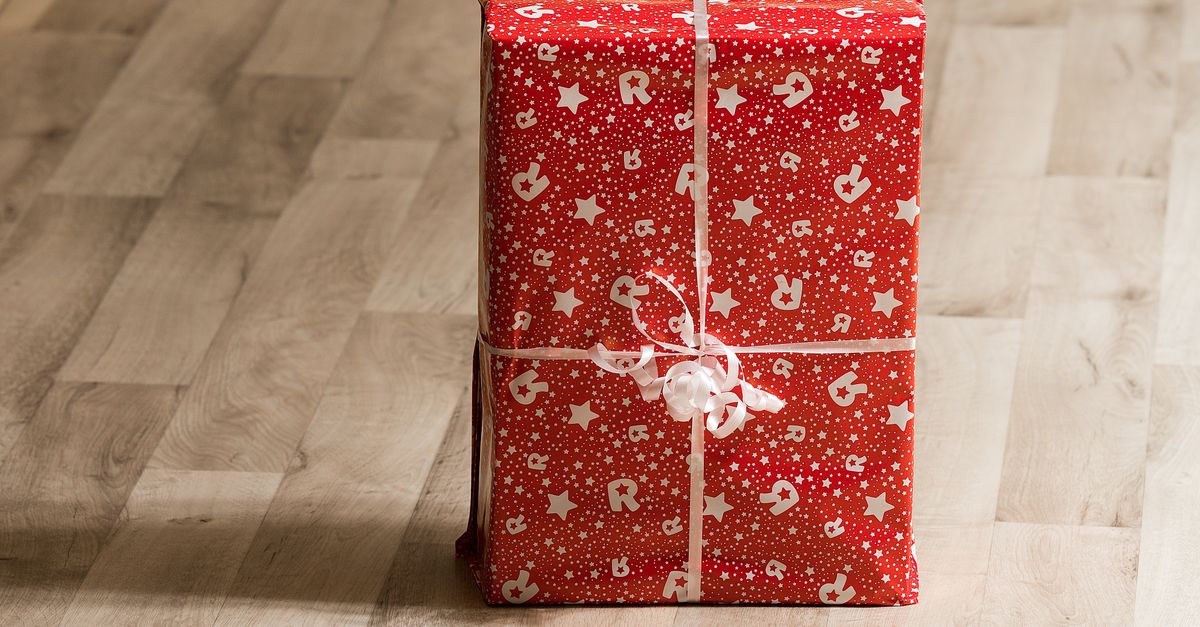
Plan your festive honeycomb paper from the day your packing peak starts, and work backwards through shipping and production. Choose one seasonal colour that also works at a later festival, so leftovers are not wasted. Red is the safest choice for most brands, because it fits Christmas, Chinese New Year and Valentine's Day.
Keep natural kraft as your base all year.
I would treat a festive colour as an extra, never as a replacement.
We make honeycomb paper in Jaipur, where Diwali is the busiest packing season of the year for many Indian sellers. For our export buyers in Europe, Australia and the US, the peak is November and December. Both sets of buyers face the same trap.
They decide on festive packaging too late.
When are the big dates this season?
For 2026, the India Post holiday list puts Deepavali on Sunday 8 November and Christmas Day on Friday 25 December.
Your packing peak starts well before the festival itself. Gift orders arrive in the weeks before, and the last week is usually a rush of express parcels. Black Friday and Cyber Monday land at the end of November in many markets and add their own spike.
So 25 December is the wrong date to plan from. I plan from the first day the packers start working at peak speed. For many online sellers in Europe and Australia, that is somewhere in mid-November.
Work backwards from your peak
This is the most useful exercise here. Do it once. Take the first day of your peak and walk back through each step. Fill in your own figures. Every number in the right-hand column below is an assumption for this example only, not our lead time.
| Step, working backwards | What decides it | Example (assumed) |
|---|---|---|
| Peak packing starts | Your sales calendar | 16 November |
| Stock on your shelf, checked and counted | Your receiving time, plus a margin | 1 week before |
| Container cleared and delivered | Customs, port and road transport at your end | 1 to 2 weeks before that |
| Container sails from Mundra | Sea transit to your port, from your forwarder | 4 to 6 weeks before that |
| Production finished and loaded | Your supplier's confirmed production time | Ask for a firm date |
| Order and samples approved | Your own sign-off, plus our 7-day quote validity | Before production starts |
Add up the example rows and the order date for a mid-November peak lands in late summer. I would rather you see that on paper now than discover it in October.
Two things make the plan slip. A new colour needs a sample approval round, which takes time if you have never seen that colour on your products. And peak season for packaging is also peak season for freight, so space on ships gets tighter just when you need it.
If you import, our export page explains how we quote, load and ship. Our quotes are valid for 7 days, because paper and freight prices move quickly, so do not sit on a quote while you decide on colours.
Which festive colours make sense?
Red, green and natural kraft cover most festive packing. We also make white, black, blue and yellow honeycomb paper, but those are seldom bought for one season only.
- Red works for Christmas, Diwali, Chinese New Year and Valentine's Day. One red SKU can carry you from November to February.
- Green is strongly linked to Christmas. After December it has fewer festive uses, so order less of it.
- Yellow suits Diwali and spring themes, and it looks bright next to marigold and gold accents.
- Natural kraft with a festive accent is the cheapest option. A red sticker, a ribbon or a printed card changes the look without changing the wrap.
- Black with gold accents suits premium gift ranges and corporate hampers. It is less seasonal, so leftovers are easy to use. Our guide to black honeycomb paper explains the care it needs.
If you only add one colour this year, I would make it red.
It works hardest.
How much seasonal stock should you hold?
Forecast the festive colour as its own product, for its own weeks.
I would not take your average monthly usage and add a percentage. It hides the shape of the peak.
Here is a worked example with round numbers. Picture a home decor seller that packs 200 orders a day for most of the year and about 500 a day for six weeks before Christmas. It decides that half of the festive orders, the gift orders, get red wrap.
- Festive orders in red: 250 a day for 6 weeks of 6 working days, which is 9,000 orders.
- Paper per order, measured on its own line: 1.5 m of flat paper.
- Red paper needed: 9,000 x 1.5 = 13,500 flat metres.
- At 250 m flat per roll, that is 54 rolls.
- Add a margin for tears, retraining temporary packers and a late reorder. Call it 60 rolls of red.
The brown base stock is planned separately, from the other half of the orders and the rest of the year. Our guide to honeycomb paper consumption shows how to measure the 1.5 m figure on your own bench rather than guessing it.
If you import in a mixed container, remember our working rule of at least 4 pallets per item. For a 380 mm x 250 m roll at 40 rolls per pallet, that is 160 rolls of red, far more than this seller needs for one season. This is why a colour that works after Christmas matters so much. The rest of the red goes into Chinese New Year and Valentine's Day.
Running the peak on the packing floor
Festive weeks bring temporary packers and long shifts. A few habits keep the coloured paper under control:
- Give the festive colour its own bench or its own dispenser. Two colours on one bench means wrong colours in some parcels.
- Write the rule on a card at each station: which orders get red, which get brown.
- Set the dispenser brake for the coloured paper before the rush, not during it. Different paper can need a different setting. Our guide to honeycomb paper dispensers shows how.
- Show every new packer one wrap, start to finish, on day one. Five minutes saves a lot of double-wrapping.
Winter storage
Northern winters bring their own risk. Cold rolls moved into a warm packing room can collect condensation, and damp honeycomb paper tears and collapses more easily. Leave pallets wrapped until they reach room temperature. Our guide to storage and humidity covers this in more detail.
Too late for this year?
If you are reading this in October 2026 and need a container for Christmas, I will be honest with you. It is late. From India, a sea shipment ordered now is tight for most markets, and I would not promise it without checking production and vessel dates first.
Two things still work. Use your brown kraft with festive accents this season. And send us your peak dates now, so we can plan next year's coloured paper with you in good time.
Write to us on the contact page with your peak start date, your colours and your rough monthly usage, and we will come back with a realistic plan.
Questions buyers ask
Is it too late to import festive honeycomb paper for this Christmas?
From India in October, usually yes for a sea shipment, once you add production, sea transit, customs and your own receiving. I would use brown kraft with festive accents this year and plan coloured paper for next year. Ask us for a realistic date before you decide.
Should I switch all my wrap to a festive colour in December?
I would not. Keep brown kraft as the base and add one festive colour for gift orders. A full switch means a big stock of a colour that may sit unused from January.
Which colours do people use for Diwali packing?
Red and yellow are popular choices, along with gold accents. We do not make gold honeycomb paper, so brands usually pair red or yellow wrap with a gold sticker or card. Natural kraft with a festive card also works well.
Can leftover red honeycomb paper be used after the holidays?
Yes. Red fits Chinese New Year and Valentine's Day, and the cushioning is the same as any other honeycomb paper. Store it dry and wrapped, and it will be fine for the next season.