Packing handicrafts for export with honeycomb paper
Handicraft export packing with honeycomb paper: wood, brass, marble and ceramics, plus moisture, ISPM 15 crates and the importing country's checks.
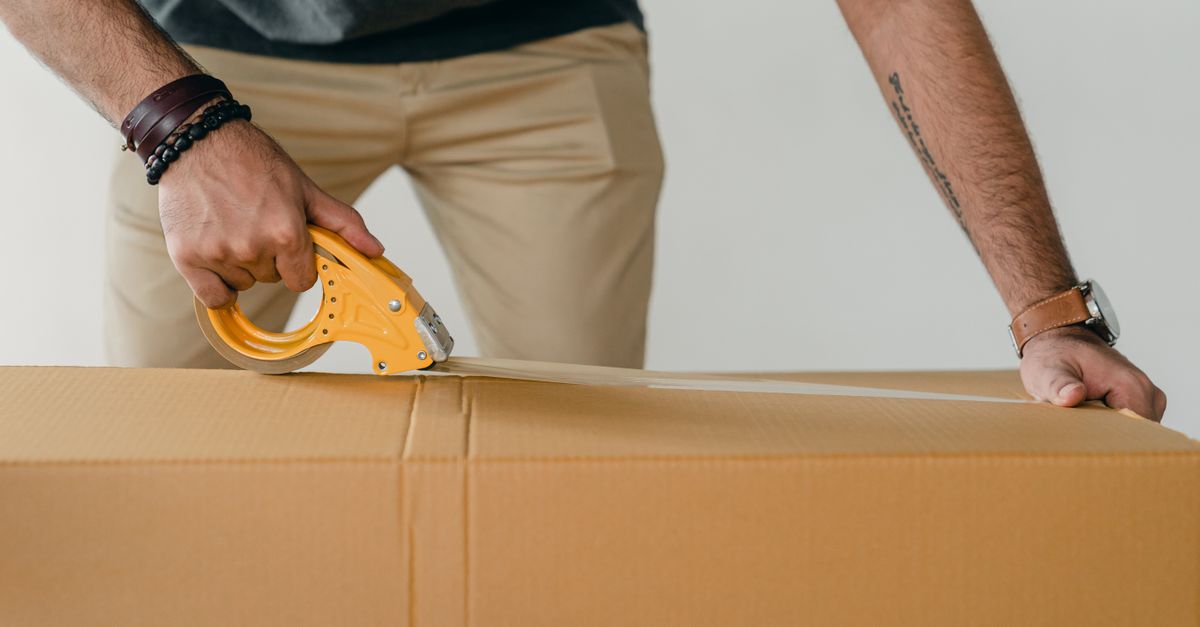
An export carton of handicrafts has a much harder life than a domestic parcel. It sits in a warehouse, rides to the port, crosses the sea in a steel box, waits at the other end, and is often opened again so the importer can send single pieces to its own customers.
Wrap every piece individually in honeycomb paper, matched to its material: tissue under polished or painted surfaces, a barrier bag only for goods that need one, and corner protection for heavy stone. Pack the wrapped pieces into strong export cartons with dividers and fill, and add desiccant for sea freight. Then remember the split: your wooden crates and pallets must meet ISPM 15, the paper does not, and the wooden goods may face their own checks in the buyer's country.
We make honeycomb paper in Jaipur, a city full of handicraft exporters. We also ship our own rolls in containers out of Mundra port, to 20+ countries. So we pack for long sea voyages ourselves, and do not just read about them.
What makes export packing different?
Four things change when a carton crosses a sea instead of a city.
- Time. A courier parcel may be in transit for days. An export carton can be in transit for weeks, and humidity has time to work.
- Stacking. Cartons in a container and a warehouse carry the weight of the cartons above them for weeks.
- Inspection. Customs or biosecurity officers may open cartons. Whatever they unpack has to go back in properly, often by someone who has never seen your packing method.
- Onward shipping. Many importers break the cartons down and send single pieces to shops and online customers.
Honeycomb paper helps with the last two in a quiet way. It comes off and goes back on easily, without tape on the product.
I think that is underrated.
How should each handicraft material be wrapped?
The material decides the inner layer. Honeycomb paper is the outer cushion for nearly all of them.
| Material | Main risk | Inner layer | Honeycomb wrap | Also needs |
|---|---|---|---|---|
| Carved or painted wood | Chipped carving, rubbed paint, mould if damp | Tissue on painted or lacquered surfaces | 2 to 3 turns, extra over carved high points | Dry wood before packing, desiccant in the carton |
| Brass and other metals | Scratches, tarnish | Acid-free tissue or a polythene bag on polished, unlacquered pieces | 2 turns, more for heavy pieces | Edge covers where there are cut edges |
| Marble and stone | Chipped corners, crushed wrap | None on plain stone, tissue on polished faces | 3 turns or more of heavier paper | Corner protectors, strong carton, crates for big pieces |
| Ceramics and blue pottery | Rims and spouts | Tissue on decorated glaze | Fill inside, 2 to 3 turns | Dividers between pieces |
| Glass and mirror work | Flex and cracks | Tissue on mirror work | 3 turns | Rigid board on flat faces |
| Textile-covered or mixed pieces | Marks, crushing | Tissue | 1 to 2 loose turns | Nothing heavy on top |
We have separate guides for the two hardest rows: brass and metal decor and marble and stone items.
Moisture: the risk honeycomb paper cannot fix
I want to be plain about this, because it is the one people get wrong. Honeycomb paper is paper. It cushions, but it does not keep water out, and it will take up moisture from a damp room just like a carved wooden box will.
Wooden handicrafts that go into a carton slightly damp can grow mould on the way. In a closed container, moisture from the cargo can also condense on the cold roof and drip back down. So the fixes are upstream of the wrap:
- Pack only dry goods. If a wooden batch has just been finished or polished, give it time.
- Keep the paper dry too. Rolls that sat open in a humid godown carry that moisture into your cartons.
- Add desiccant to cartons and containers on long, humid routes.
- Use a barrier bag only around goods that are already dry.
On our side, our plant is moisture-controlled, rolls are wrapped as they come off the line, and pallets are stretch-wrapped before they leave. Our guide to honeycomb paper storage and humidity covers what happens to the paper once it reaches your store.
ISPM 15: the crate needs it, the paper does not
ISPM 15 is the international standard for wood packaging in trade. The IPPC's text of ISPM 15 (2009 revision, published by the IPPC Secretariat at FAO) covers packaging made of raw wood, such as crates, pallets and dunnage. It allows approved treatments, heat treatment or methyl bromide fumigation, and a mark on the wood.
The same text lists exemptions. Two that matter to handicraft exporters are wood 6 mm thick or less, and packaging made wholly of processed wood such as plywood or particle board.
Paper wraps and corrugated cartons are not raw wood. So your honeycomb paper needs no treatment and no mark. Your wooden crate and your pallet do.
The goods themselves may face their own checks
This is a separate question from the packaging, and exporters sometimes mix the two up.
Australia is a good example. Its Department of Agriculture, Fisheries and Forestry says that imported timber, wooden articles, bamboo and related products must meet the import conditions in its BICON system, and that goods may be inspected on arrival (page checked October 2026). Other countries have their own rules.
Ask your importer which rules apply before you pack, not after a container is held. I would also avoid loose plant-based packing such as straw on these routes, unless the importer confirms it is acceptable.
Clean, well-wrapped goods with a clear packing list are also simply easier for an inspector to open and close again.
Worked example: a mixed order for Europe
Say a Jodhpur exporter is packing a mixed order of wooden trays, brass bowls and painted boxes for a European importer. This is an example, not a real order.
The unit sets up three stations. Wood goes through a dry check first. Painted boxes get tissue, then two turns of honeycomb. Brass bowls get two turns with tissue inside the bowl where the polish is brightest.
Each carton holds one product type, with a divider between pieces and honeycomb offcuts as fill on top. Each carton carries the item code and the count on two sides, so the importer can find it in a stack without opening anything. The pallets are heat treated and carry the ISPM 15 mark.
When the importer later opens a carton to send one tray to a shop, the wrap comes off in one piece and goes back on for the onward parcel.
If I were that importer, I would notice.
What paper cannot carry
Large furniture, heavy marble pieces and big architectural items need crates, blocking and corner protection. Honeycomb paper still has a job there, protecting finished faces from rubbing, but it is not the structure. I would not let anyone, including us, tell you otherwise.
If you are the importer
You can specify packing in your purchase order, just like you specify the goods. Name the inner layer per material, the wrap, the divider and the carton marking. Our guide to writing a honeycomb paper purchase order shows how to specify the paper itself.
If you also use honeycomb paper in your own warehouse for onward parcels, we export rolls from Mundra, usually FOB. Our export page has the details. For samples or a quote, write to us through the contact page and tell us which materials you pack most.
Questions buyers ask
Do I need to fumigate honeycomb paper for export?
No. ISPM 15 is about packaging made of raw wood, such as crates, pallets and dunnage. Paper wrap and corrugated cartons are not raw wood. Your crates and pallets are what need the treatment and the mark. The goods themselves may have separate rules in the importing country.
Should handicrafts be wrapped in plastic for sea freight?
Only some of them. Raw or lightly finished wood and unlacquered metal can benefit from a barrier bag on a long sea route, with desiccant in the carton. A bag around damp wood makes things worse, because it traps the water in. Dry the goods first.
Can the importer reuse the honeycomb wrap when it ships pieces to its own customers?
Often yes, if it is unwrapped carefully and kept dry. Wrap each piece with a tucked end rather than taping it shut, so the wrap comes off in one piece and can go round the same item again.
What width of honeycomb paper suits a handicraft export unit?
Most units manage with one medium width, around 380 to 400 mm, for the bulk of pieces, plus a wide 490 to 500 mm roll for large bowls, lanterns and tall items. I would choose after a trial on your ten most common pieces.